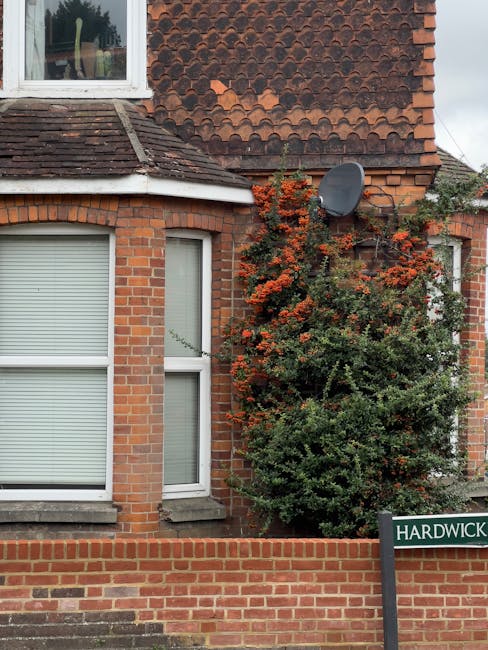
Dartmouth Road insider tips from Forest Hill gardeners

If you live, work, or garden near Dartmouth Road, you already know the truth: small outdoor spaces can become either a calm little retreat or a never-ending weekend chore. The difference usually comes down to local know-how. These Dartmouth Road insider tips from Forest Hill gardeners are built around the realities of the street itself, nearby front gardens, shared boundaries, shaded patches, and the kind of maintenance decisions that save time later.
In practice, that means looking at more than just what plants you like. You need to think about sunlight, access, leaf fall, neighbours, front-garden visibility, and how much maintenance you actually want to live with. That sounds obvious, but let's face it, a lot of garden regrets start with a plant that looked lovely for two weeks and then turned into a monster.
This guide walks through the most useful local lessons: why the street matters, how good gardeners approach the job, what methods work best, where people go wrong, and when it makes sense to bring in help through services such as garden maintenance, hedge trimming, or landscaping. You will also find a practical checklist, a comparison table, and a few quietly honest tips from real-world experience rather than glossy brochure talk.
One thing worth saying upfront: every garden on Dartmouth Road is a bit different. A front garden that catches morning sun can behave very differently from a shaded back plot behind a tall boundary hedge. So read this as grounded advice, not a one-size-fits-all rulebook.
Why Dartmouth Road insider tips from Forest Hill gardeners Matters
Dartmouth Road sits in a part of Forest Hill where gardens often need to do a lot with not much space. That means visual impact matters, but so does low-maintenance design. A tidy front garden can lift the whole property. A neglected hedge or overgrown border, on the other hand, can make a home feel smaller and less cared for before anyone even steps through the gate.
The local angle matters because climate, light, and access all shape what works. Trees nearby can cast shade. Brick walls and fencing can trap heat. Narrow side access can make it awkward to wheel out green waste or move bulky materials. Even something as ordinary as where rainwater runs after a heavy shower can change which plants thrive.
From a gardener's point of view, the street also tends to encourage a few recurring priorities. People want gardens that look presentable from the pavement, cope well with seasonal changes, and do not demand constant rescue work. Fair enough. That is a sensible brief. A well-planned garden should feel manageable, not like a second job.
This is also why local understanding helps when discussing services like lawn mowing or tree lopping and removal. The issue is not just cutting back growth. It is timing, access, safety, and keeping the garden balanced so the next visit is easier, not harder.
How Dartmouth Road insider tips from Forest Hill gardeners Works
The practical method is straightforward, though the details matter. Good garden work usually starts with observation: what gets sun, what stays damp, where the wind funnels through, and what parts of the garden are becoming harder to maintain than they should be. On Dartmouth Road, that first look often reveals more than the owner expects.
After that comes prioritising. A seasoned gardener will normally separate jobs into three buckets:
- Urgent: things affecting safety, access, or plant health.
- Seasonal: pruning, cutting back, aerating, planting, or feeding at the right time.
- Design: improvements that make the garden look better and easier to live with.
That order matters. It is tempting to jump straight into planting because it feels exciting. But if the hedge is swallowing the light and the lawn is patchy, those problems should be dealt with first. Otherwise you are decorating a room with a leaky roof. Not ideal.
For many gardens, the work then becomes a cycle rather than a one-off fix. Regular garden maintenance keeps borders under control, prevents weeds from seeding themselves everywhere, and helps spot issues early. In other words, you avoid the giant clean-up that happens when months of small jobs become one very big one.
Where a garden has grown out of hand, a reset may be needed first. That is where garden clearance can make sense before any refining or replanting begins. If the structure is wrong, trimming alone will not solve it.
Key Benefits and Practical Advantages
There are real benefits to using local, practical advice rather than generic garden tips pulled from somewhere else. The biggest one is simple: you get a garden that suits the way you live.
- Less ongoing maintenance: the right plant choices and pruning rhythm reduce weekly effort.
- Better first impressions: especially for front gardens facing the pavement.
- Improved plant health: because the garden is matched to light, soil, and exposure.
- Smarter use of space: small plots can still feel layered, private, and calm.
- Lower risk of avoidable damage: from overgrown roots, unstable branches, or blocked drainage paths.
Another advantage is confidence. If you know why something is being cut back, replaced, or left alone for now, the whole process stops feeling random. That matters more than people admit. A lot of homeowners are happy to invest in their garden, but they want to understand the reasoning. Quite right too.
Good advice also saves money in the long run. For example, making a planting decision that suits the site can reduce future replacement costs. And if you are comparing broader services, it helps to look at the provider's full services overview so you understand what is included and what kind of outcome each service is meant to deliver.
Expert summary: the best Dartmouth Road gardens are usually not the fanciest ones. They are the ones designed around daily life, realistic upkeep, and seasonal changes that the owner can actually keep on top of.
Who This Is For and When It Makes Sense
This advice is useful for homeowners, landlords, tenants with garden responsibilities, and anyone looking after a rental or family property near Dartmouth Road. It is especially relevant if your garden has started to feel awkward, overgrown, or difficult to enjoy.
It makes sense if you are dealing with any of the following:
- a front garden that has lost its shape or visibility
- hedges blocking light or becoming too wide for the space
- lawns that struggle because of shade, moss, or poor access
- borders that look tired but are not quite bad enough for a full redesign
- a layout that works in theory but not in day-to-day use
It also makes sense if you are thinking ahead. Maybe you are planning to sell, let, or simply enjoy the property more. In those cases, tidy structure and thoughtful upkeep can make a surprisingly big difference. Not dramatic magic, just sensible improvement. Sometimes that is enough.
If you are already weighing up a bigger transformation, landscape gardening or broader landscaping may be more appropriate than piecemeal fixes. If the garden is fundamentally sound but needs routine attention, maintenance is usually the better route.
Step-by-Step Guidance
If you want to use these tips properly, follow a simple sequence. It keeps the job focused and prevents the classic mistake of doing everything at once and finishing with sore arms, wasted materials, and three half-finished piles of cuttings.
- Walk the garden at different times of day. Morning light and late afternoon shade can tell you a lot. Notice what feels damp, what dries fast, and where the problem spots are.
- Identify the high-impact fixes first. Tidy the front edge, deal with overgrown hedging, and remove anything that is clearly unhealthy or blocking access.
- Decide whether the garden needs a reset or a refresh. If the site is heavily cluttered or unmanaged, clearance may come first. If it is mostly fine, you may only need maintenance and selective pruning.
- Choose plant styles that fit the site. Shade-tolerant plants for darker corners, tougher species for exposed spots, and compact forms for tighter spaces.
- Build structure before decoration. Get paths, edges, boundaries, and major shapes sorted before adding ornamental details.
- Set a realistic upkeep rhythm. Weekly, fortnightly, monthly, or seasonal. The right schedule matters more than enthusiasm in January.
A quick example: if a front hedge is sagging outward into the pavement line, the best first step is not to keep shaving it into the same shape. It may need proper restructuring, or in some cases replacement with a more suitable boundary plant. That is the kind of judgment a local gardener brings to the table.
Expert Tips for Better Results
Here are the tips that tend to make the biggest difference in real gardens around Forest Hill.
- Cut for shape, not just size. A hedge that is trimmed only to reduce height can become dense at the top and bare at the base.
- Leave breathing room. Plants that are packed too tightly can look full for a while, then decline as airflow and light drop away.
- Protect the garden's "lines". Edges, borders, steps, and paths should read clearly. When those lines disappear, the whole space feels messy.
- Do not fight the site too hard. If a corner is shaded and damp, choose plants that enjoy those conditions rather than insisting on sun-lovers that will sulk.
- Use the first hour wisely. In most garden jobs, the first hour of sorting, clearing, and planning is worth more than two hours of rushing.
One slightly underrated tip: keep a notes habit. Nothing fancy. Just jot down what flowered well, what failed, and what became more maintenance than expected. It helps. More than you might think. A tiny notebook by the back door can save a lot of future guesswork.
And if you are unsure whether a boundary tree or large shrub is getting out of hand, get it assessed early. Services like tree lopping and removal are not only about cutting back growth; they are often about preventing structural problems, nuisance shading, or awkward overhang before they escalate.
Common Mistakes to Avoid
Most garden trouble starts with good intentions and a slightly optimistic Saturday afternoon. Here are the pitfalls that come up again and again.
- Choosing plants for looks alone. A plant can be beautiful and still be the wrong fit for the site.
- Ignoring hedge widths. Height gets attention, but width is often what causes practical problems with access, light, and maintenance.
- Overusing fast-growing fillers. They can create quick coverage, then demand constant control.
- Skipping proper clearance before redesigning. If there is clutter, dead growth, or dumped material, work becomes harder and less accurate.
- Neglecting seasonal timing. Some pruning and cutting tasks are far more effective when done at the right time of year.
- Forgetting disposal. Even a small job can create more green waste than expected, especially after hedge work. The bags add up. Annoyingly fast.
There is also the common "I'll just do it later" problem. Later arrives with rain, stronger growth, and more to fix. That is not a moral failing; it is just how gardens behave. They never really stop.
Tools, Resources and Recommendations
You do not need a warehouse full of kit to maintain a garden well, but the right basics make life easier.
- Sharp hand tools: for clean cuts that help plants recover more neatly.
- Good gloves and sturdy footwear: especially when working with thorny growth or uneven ground.
- Strong garden bags or containers: for prunings, leaves, and light waste.
- A decent pruning saw or loppers: useful for thicker stems and awkward cuts.
- A measured watering routine: better than daily fussing, especially once plants are established.
For larger jobs, the resource may be a professional service rather than a tool. If you need deeper work or want to compare options, the team's pricing and quotes page can help you understand how different types of work are usually approached. If you simply want a broader sense of the company, the about us page is a useful place to start.
It is also worth checking whether you want any long-term sustainability choices built into the job. Thoughtful reuse, waste sorting, and environmentally responsible disposal all matter, and the recycling and sustainability page is relevant if you care about keeping the process tidy and responsible.
Law, Compliance, Standards, or Best Practice
Gardening may feel informal, but there are still sensible standards to follow, especially where safety, access, and property boundaries are involved. If you are hiring help, look for clear communication about insurance, risk awareness, and safe working practices. That is just common sense, really, but it is also part of being a careful customer.
For tree work, structural pruning, or anything that could affect neighbouring land, it is wise to proceed cautiously. The exact responsibilities can vary by property and situation, so if something looks complicated, seek professional advice before cutting first and asking questions later. Not every branch needs drama.
For everyday maintenance, the best practice is usually:
- use appropriate tools and protective equipment
- avoid blocking pathways or access points
- keep work tidy and remove waste safely
- respect neighbour boundaries and shared areas
- check whether a job is beyond normal DIY comfort level
If you are booking a service provider, their policies can tell you a lot about how they work. For example, it is reasonable to review insurance and safety, health and safety policy, and even practical admin pages like payment and security or terms and conditions. Boring? Maybe. Useful? Absolutely.
Options, Methods, or Comparison Table
When approaching a Dartmouth Road garden, there are usually three main ways to move forward. The best one depends on the current condition of the space and how much time you want to spend on it later.
| Approach | Best for | Pros | Limitations |
|---|---|---|---|
| Routine maintenance | Gardens that are already mostly in shape | Keeps things tidy, manageable, and predictable | Won't solve deeper layout or overgrowth issues |
| Clearance then refresh | Overgrown, cluttered, or neglected spaces | Creates a clean starting point and reveals the real structure | Can be more disruptive at first |
| Full landscaping or redesign | Gardens with poor layout, awkward use, or long-term problems | Improves function, appearance, and future upkeep | Needs more planning, budget, and decision-making |
There is no prize for choosing the biggest option. If regular maintenance will solve the problem, that is usually the smartest move. If the space is fighting you every month, a more structural approach may be worth it. The decision should follow the garden, not the ego.
Case Study or Real-World Example
Here is a realistic example based on the kind of work often seen around Dartmouth Road. A homeowner had a narrow front garden with a hedge that had been clipped repeatedly for years without real shape control. It was dense at the top, thin below, and cast more shade than expected. The lawn beneath was patchy, and the front looked tired even after a quick tidy.
The first step was not new planting. It was sorting the structure: reducing congestion, opening up light, and defining the edge properly. After that, the owner chose a simpler planting scheme with a few hardy, low-maintenance species and a clearer boundary line. The garden did not become a showpiece overnight, and nobody promised it would. But it became easier to manage, better to look at, and much less frustrating.
That is the real lesson. The best outcome is often not "more stuff." It is clarity, balance, and a plan the owner can live with. On a busy street, that matters a lot.
Practical Checklist
Use this quick checklist before you start work or book a service.
- Have I checked where the sun and shade fall during the day?
- Do I know whether the garden needs maintenance, clearance, or redesign?
- Are there any overgrown hedges, trees, or boundary issues?
- Is access clear for tools, waste removal, and movement around the space?
- Have I thought about how much regular upkeep I can realistically manage?
- Are my plant choices suited to the site rather than just the style I like?
- Do I need a trusted professional for safety, scale, or time reasons?
- Have I looked at the provider's service scope and practical policies?
Quick takeaway: if the garden feels hard work before you have even started, the smartest move is usually to simplify the plan first and improve the structure second. A calmer layout almost always pays you back later.
If you are ready to compare next steps, a sensible starting point is to review the available garden maintenance option, then check whether a broader landscape gardening approach makes more sense for your space. If you want to speak directly with the team, use the contact us page.
Conclusion
Good Dartmouth Road garden work is not about chasing perfection. It is about creating a space that behaves well in real life. That means choosing the right approach for the site, keeping an eye on maintenance, and making decisions that suit the way you actually live. Sometimes that is a tidy-up. Sometimes it is a reset. Sometimes it is a complete rethink.
The best Forest Hill gardeners tend to notice the same thing every time: the gardens that age well are the ones built on practical choices, not impulse. If you get the structure right, the rest becomes easier. And that is the goal, really. A garden you can enjoy without it asking for everything back in return.
Get a free quote today and see how much you can save.
Take your time, start with the basics, and do not be afraid to keep things simple. The calmest gardens are often the smartest ones.
Frequently Asked Questions
What are the most useful Dartmouth Road insider tips from Forest Hill gardeners?
The most useful tips usually focus on light, access, hedge control, and realistic upkeep. Local gardens often benefit more from smart structure and regular maintenance than from big, flashy changes.
Should I choose garden maintenance or garden clearance first?
If the garden is mostly tidy, maintenance is usually enough. If it is overgrown, cluttered, or hard to assess properly, clearance first makes more sense because it reveals what you are actually working with.
How often should a Dartmouth Road garden be maintained?
That depends on the planting and size, but many gardens benefit from regular light attention rather than occasional heavy work. Weekly or fortnightly checks can prevent small issues becoming bigger ones.
What makes local gardening advice different from general advice?
Local advice reflects the actual conditions you are dealing with: shade, street-facing presentation, access limits, and how weather or surrounding trees affect growth. That context changes the best solution.
Is hedge trimming really that important?
Yes, because hedges affect light, privacy, boundaries, and the overall shape of the garden. A hedge that is left too long can become wider, denser, and harder to manage later.
When does a garden need landscaping rather than simple upkeep?
If the layout is awkward, the garden is hard to use, or routine maintenance never seems to solve the same issues, landscaping may be the better long-term option.
Can a small front garden still look impressive?
Absolutely. In fact, small front gardens often respond well to clear lines, restrained planting, and neat boundaries. You do not need a huge space to make a strong impression.
What should I ask before booking a local gardener?
Ask what is included, how the work will be handled, whether waste removal is covered, and what happens if the garden needs more than expected. Clear answers usually mean a smoother job.
Do I need to worry about safety for tree or hedge work?
Yes, especially if branches are large, awkward, or close to boundaries and access routes. If anything seems uncertain, it is safer to involve a professional rather than improvising.
What is the best way to avoid a garden becoming high-maintenance?
Choose plants suited to the site, keep the structure simple, and maintain borders and hedges before they get unruly. A low-maintenance garden is usually designed that way from the start.
How do I know whether my garden needs a full redesign?
If it keeps causing the same problems, feels difficult to use, or no amount of tidying seems to help, that is a strong sign the layout or planting structure needs a rethink.
Where can I learn more about services and practical next steps?
You can review the available options on the services overview page, then decide whether maintenance, clearance, hedge work, or a larger landscaping plan fits your garden best.